Country trip planning · Destinations
Bolivia Travel: Choose a Route You Can Enjoy
Bolivia travel works best with time for altitude, transport and regional conditions. Choose a focused route through cities, highlands or rainforest.
Start here
Your questions, answered
Where should a first Bolivia trip start?
Choose the region and arrival airport together. A highland route needs time to adjust to altitude; a lowland route has different transport and health considerations.
Does the archived Bolivia City image identify a city?
No. The recovered attachment title does not establish which city is pictured. This restored country guide makes no identification claim about that image.
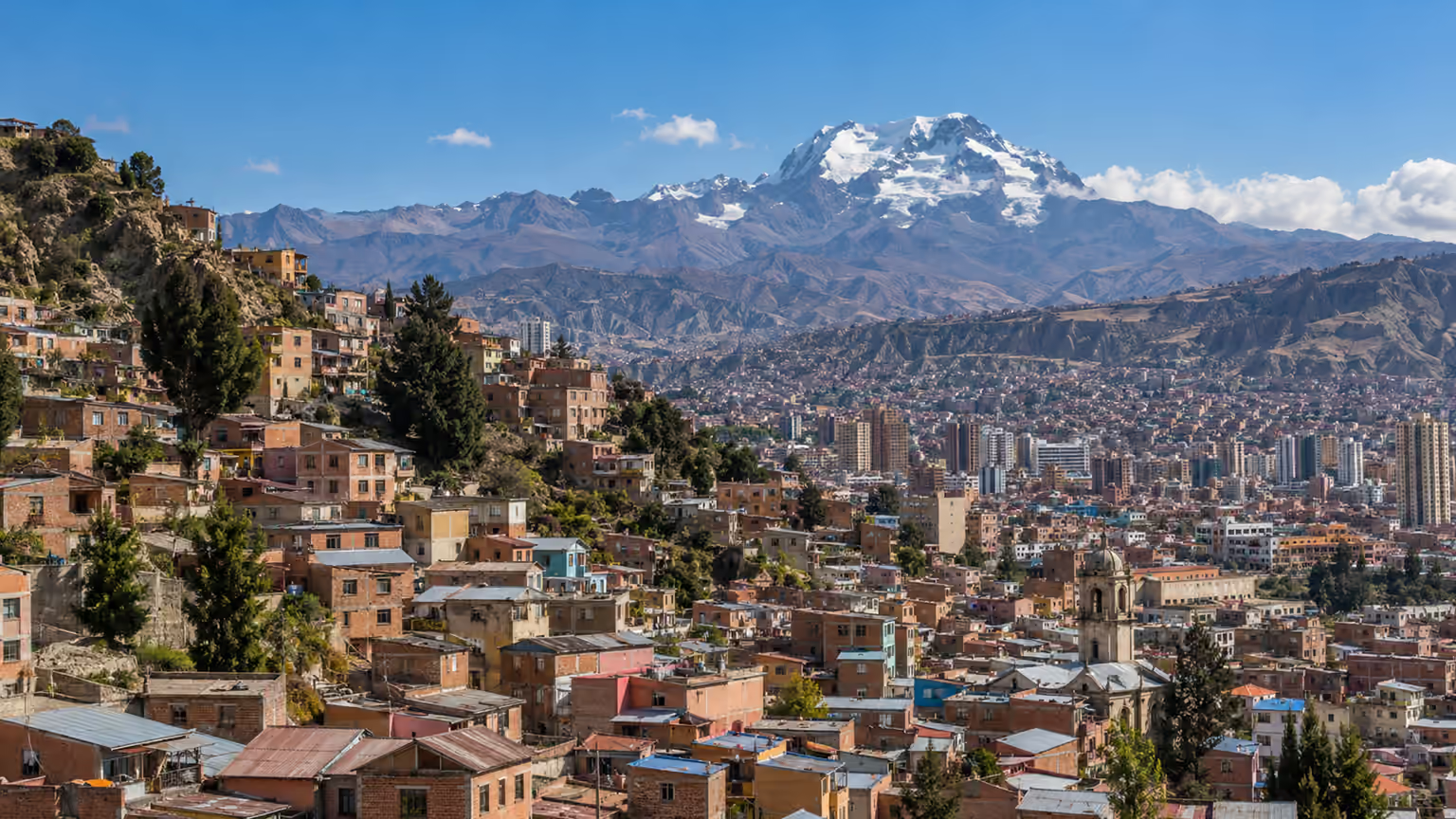
Choose a region before adding destinations
Bolivia has varied trips: highland cities, salt flats, historic urban centers, and forests. Choose one main interest, then plan a route around a suitable arrival point. On a short holiday, trying to combine every landscape can consume the days you meant to spend exploring.
La Paz can anchor a highland trip; Sucre suits travelers interested in a historic city; lowland plans need their own gateway and onward arrangements. These are present-day planning examples, not identifications of the old Bolivia City attachment. The archive does not establish the city in that photograph. Keep that uncertainty separate from deciding where you would like to go now.
Before choosing a rainforest gateway or lodge, compare the options in our Amazon rainforest planning guide.
| Option | Best fit | Main consideration |
|---|---|---|
| Highland route | Best fitLa Paz and highland landscapes | Main considerationSleeping altitude and acclimatization |
| Historic city stay | Best fitCulture and a slower walking itinerary | Main considerationActual time between transfers |
| Lowland forest trip | Best fitA different environment and wildlife focus | Main considerationGateway, local operator and health preparation |
Make room for altitude in a highland itinerary
Altitude affects itinerary design, not just packing. The FCDO identifies altitude sickness as a risk in La Paz and the Salar de Uyuni. Arrange travel-health advice that reflects your medical history and the sleeping elevations on your route. Do this before committing to strenuous excursions or remote overnight stays.
Keep the arrival day light, and avoid scheduling a demanding trek immediately after landing in the highlands. A rest day is more useful when built into the plan than when it requires canceling several prepaid activities. Ask a tour organizer about the highest overnight stop, access to medical assistance and the procedure if someone cannot continue. Do not treat a guide’s reassurance as a substitute for medical advice.
Sources: UK FCDO: Bolivia health advice
Give cities time beyond a transport connection
Sucre’s historic center is a UNESCO World Heritage Site, recognized for its surviving architectural and urban heritage. A stay there can provide a different rhythm from a vehicle-based journey: walking, visiting cultural sites and leaving time for meals rather than moving accommodation every morning.
Choose a room by its relationship to the places you want to visit and the amount of climbing or walking you find comfortable. In any city, ask accommodation staff to arrange a reliable arrival transfer when landing late. Separate a proper city day from transfer days. A bus arrival followed immediately by another departure may technically include a place on your itinerary while leaving little opportunity to experience it.
For a walking day, pick a small cluster of sights instead of crossing the city repeatedly. Ask which visits need advance arrangements, then leave the remaining time for streets, markets and meals at your own pace.
Sources: UNESCO World Heritage Centre: Historic City of Sucre
Leave flexibility between long journeys
Roadblocks, demonstrations and transport disruption can affect a Bolivia route. Check current official advice and local conditions before each long transfer. The FCDO currently advises against all but essential travel in the Chapare region, including specified highway routes. A road journey needs checking against the route on a map, not just its starting and ending cities.
Avoid an overnight road transfer scheduled to meet an international flight with no spare time. Ask an operator what happens if a route closes: an alternative, a postponed departure or a refund are different outcomes. Keep documents and essential medication in your day bag. For salt-flat or other remote vehicle tours, compare vehicle condition, seat belts, driver arrangements and the full overnight itinerary.
Sources: UK FCDO: Bolivia travel advice; www.gov.uk
Check entry rules for your passport and route
Entry requirements depend on nationality and the journey you take. Use the Bolivian authorities or consulate for your passport, and read the current government advice relevant to you. Check any health-document requirements linked to the places you have traveled through. Do not assume that a neighboring country’s visa rules apply to Bolivia.
Arrange insurance for the elevations and activities on your actual itinerary, including remote evacuation where relevant. The FCDO warns that medical care can be limited outside major centers and that medicines can be in short supply. Carry an adequate legal supply with your prescription and keep funds accessible. A focused trip with spare days is easier to adapt than a chain of tightly connected bookings across the country.
Sources: www.gov.uk; UK FCDO: Bolivia health advice
Frequently asked questions
Is Bolivia suitable for a short trip?
Yes, if the route is focused. Choose one region and leave room for arrival, altitude where relevant, and transport uncertainty.
Does this page describe a specific archived city image?
No. The archived attachment was titled Bolivia City, but the city was not reliably identified. The restored page covers Bolivia as a country.
Can I combine a salt-flat tour with the Amazon?
You can research both, but they require separate transport and preparation. Compare the available days after transfers before committing to both regions.
Sources and editorial approach
This guide combines official visitor information with our trip-planning advice. It is not a first-hand visit or hotel review. Prices, schedules, access and booking availability can change; confirm the details for your dates before paying.
- UK FCDO: Bolivia travel advice
Current regional restrictions, disruption, insurance and links to entry requirements.
- UK FCDO: Bolivia health advice
Altitude risks, medical access and medication availability.
- UNESCO World Heritage Centre: Historic City of Sucre
Verifies Sucre’s architectural heritage and World Heritage status.
Source information checked .
Explore more destinations
Browse our destination guides for more places to explore.