Visitor guide · Destinations
Gangkhar Puensum: Bhutan’s Unclimbed Mountain
Gangkhar Puensum is Bhutan’s unclimbed mountain. Understand the climbing ban, respect sacred landscapes and compare permitted trekking.
Start here
Your questions, answered
Can tourists climb Gangkhar Puensum?
No summit trip is recommended here. Bhutan bans mountaineering; a permitted trek in the wider landscape is a separate activity with its own guide and access requirements.
Does a trek guarantee a view of the mountain?
No. Ask for the actual itinerary and expected viewing locations, then allow for cloud, snow and route changes that can prevent a clear view.
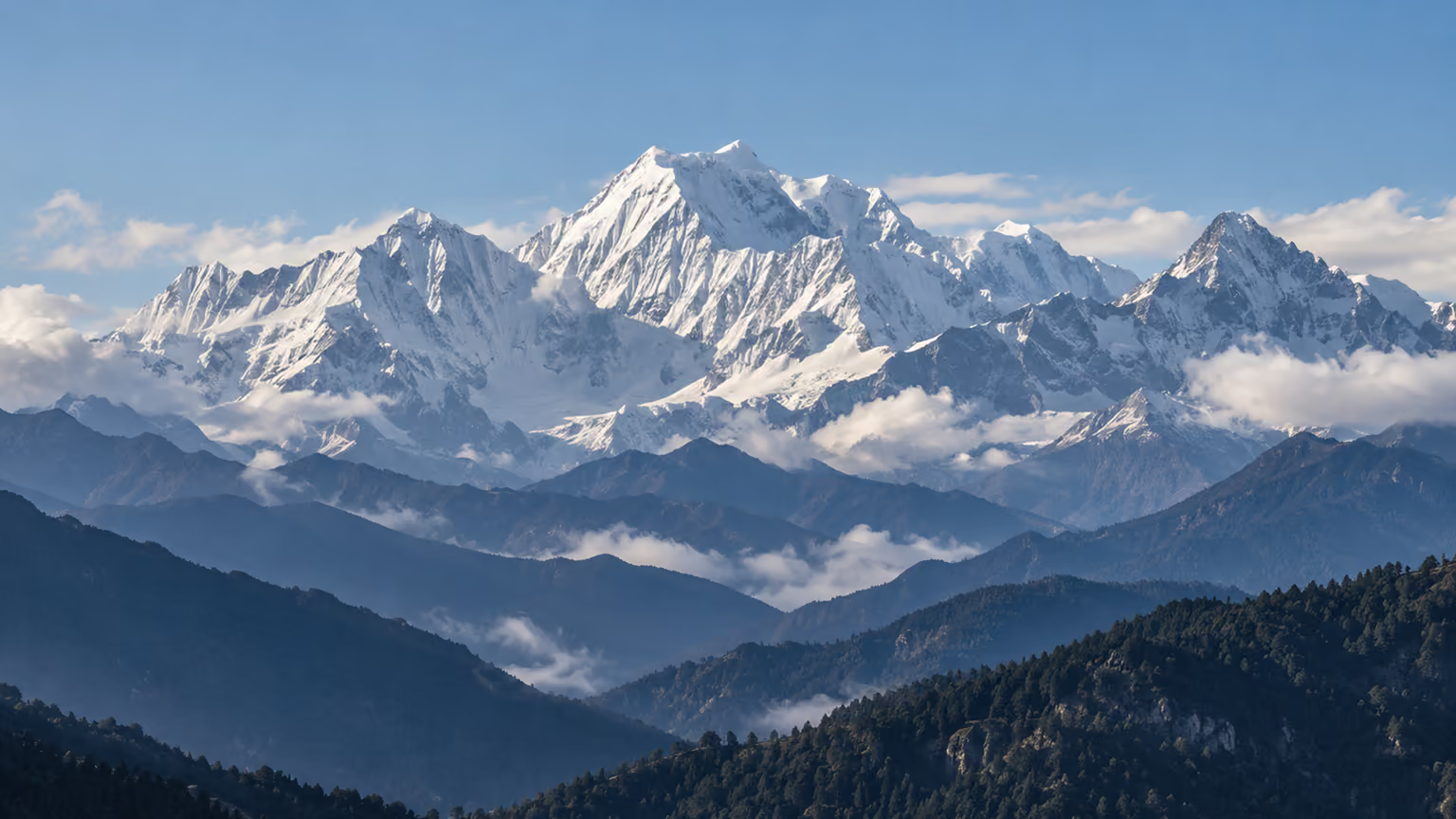
Understand what makes the mountain distinctive
Gangkhar Puensum is widely known for its unclimbed main summit in Bhutan’s high Himalayas. Trekking material also uses the names Gangkar Punsum and Gangkar Puensum. A trek bearing the mountain’s name does not give permission to climb it.
Read this as a guide to understanding the peak and planning lawful mountain travel in Bhutan. The important distinction is between a permitted trek through surrounding landscapes and a summit expedition. A dramatic photograph is not evidence that a visitor can reach the same position.
Sources: Bhutan Tourism Corporation: Gangkar Puensum Trek; UK FCDO: Bhutan safety and security
| Option | Best fit | Before choosing |
|---|---|---|
| Remote permitted trek | Best fitExperienced trekkers with time | Before choosingRoute permissions and sleeping altitudes |
| Lower-altitude guided walk | Best fitA shorter mountain introduction | Before choosingTerrain and guide arrangements |
| Cultural route | Best fitLandscape context without remote camping | Before choosingTravel distances and local etiquette |
The climbing ban is the starting point
The UK government’s Bhutan travel advice states that mountaineering is banned. Treat that as a firm boundary when considering operators, itineraries and equipment. A guide who offers a trek is not issuing a climbing exemption, and a route described as a base-camp journey must still follow Bhutan’s rules.
Do not look for ways around the restriction through neighbouring territory or a different spelling of the mountain’s name. The value of a visit can lie in learning about a landscape and its cultural meaning without treating an ascent as the only worthwhile outcome.
Sources: UK FCDO: Bhutan safety and security
Compare permitted trekking by its actual itinerary
Bhutan Tourism Corporation lists a Gangkar Puensum trek, showing that a named trekking product and a summit climb are different activities. Ask the operator which valleys, passes and camps the current itinerary uses, and which permissions cover them. Request a map before committing to a long mountain journey.
Compare daily ascent, highest sleeping altitude, rest days, group size and the support team. A route’s total distance tells you little about its difficulty without terrain and elevation. Ask what happens if snow blocks a pass or someone cannot continue, and how the schedule changes in that case.
Use licensed local expertise and allow spare time
Bhutan’s tourism guidance directs visitors to accredited guides for exploring the wild. Choose a guide with experience of the proposed trek, rather than assuming that a cultural city guide has the same mountain background. Confirm who carries emergency communication and how decisions about turning back are made.
Allow days for travel, acclimatization and weather changes instead of attaching a remote trek to an inflexible departure. Ask a clinician familiar with altitude about your personal health needs; a travel article cannot assess fitness or prescribe prevention. Suitable insurance must cover the actual activity and elevation.
Sources: UK FCDO: Bhutan safety and security; Department of Tourism Bhutan: Visit Bhutan
Respect the landscape beyond the summit story
Ask your guide how local communities understand the mountains and which places require particular care. Seek permission before photographing people, follow site instructions around religious objects and leave plants, stones and wildlife undisturbed. Respect also means paying attention to where camps are placed and how waste is carried out.
For a shorter trip, discuss a lawful lower-altitude walk or a cultural route with your operator. It may suit your time and experience better than a remote expedition-style trek. Choose the journey you can do responsibly; no named viewpoint can guarantee that clouds will reveal a particular peak.
Frequently asked questions
Is a base-camp trek the same as a climb?
No. Trekking names describe journeys through mountain country; they do not override the mountaineering ban. Confirm the route, permissions and guide arrangements for your dates.
Can I organize the route alone?
Bhutan’s official tourism guidance says not to venture into the wild without an accredited guide. Use a licensed operator and check the specific requirements for your proposed trek.
What should I compare between operators?
Compare sleeping altitudes, ascent, rest days, guide experience, emergency communication and cancellation terms. A cheaper headline price may omit support or transport that your group needs.
Sources and editorial approach
This guide combines official visitor information with our trip-planning advice. It is not a first-hand visit or hotel review. Prices, schedules, access and booking availability can change; confirm the details for your dates before paying.
- Bhutan Tourism Corporation: Gangkar Puensum Trek
Primary operator itinerary establishes trekking context; not permission for a summit ascent.
- UK FCDO: Bhutan safety and security
Official government advice confirms Bhutan’s mountaineering ban.
- Department of Tourism Bhutan: Visit Bhutan
Official visitor guidance covers accredited guides, environmental care and respectful conduct.
Source information checked .
Explore more destinations
Browse our destination guides for more places to explore.