A first Rome visit · Destinations
3-Day Rome Itinerary: Sights, Food and Where to Stay
3-day Rome itinerary: ancient Rome, the Vatican and the historic center. Group sights by area, choose a hotel base and book key visits first.
Start here
Your questions, answered
Is 3 days enough in Rome?
Three full sightseeing days work for a first visit focused on ancient Rome, the Vatican and the historic center. Treat arrival and departure separately; with only parts of three days, drop a major museum rather than rushing every neighborhood.
What is the best 3-day Rome itinerary?
Our suggested order is ancient Rome on day one, the Vatican area on day two, and the historic center with a Trastevere evening on day three. Move the days around your timed tickets and the venues' opening calendars.
Where should first-time visitors stay in Rome?
Start with the historic center for a walking-focused visit, Monti for an ancient-Rome emphasis, or Prati for a Vatican-focused stay. These are planning recommendations, not hotel rankings. Choose the actual address by your arrival transport and booked visits.
What should you book before arriving?
Secure your preferred Colosseum entry and Vatican Museums visit first. They are separate bookings. Add a food tour or cooking class afterward, once its timing fits the sightseeing days and your dietary needs.
Some booking links are affiliate links. We may earn a commission at no extra cost to you. How we choose and check information.
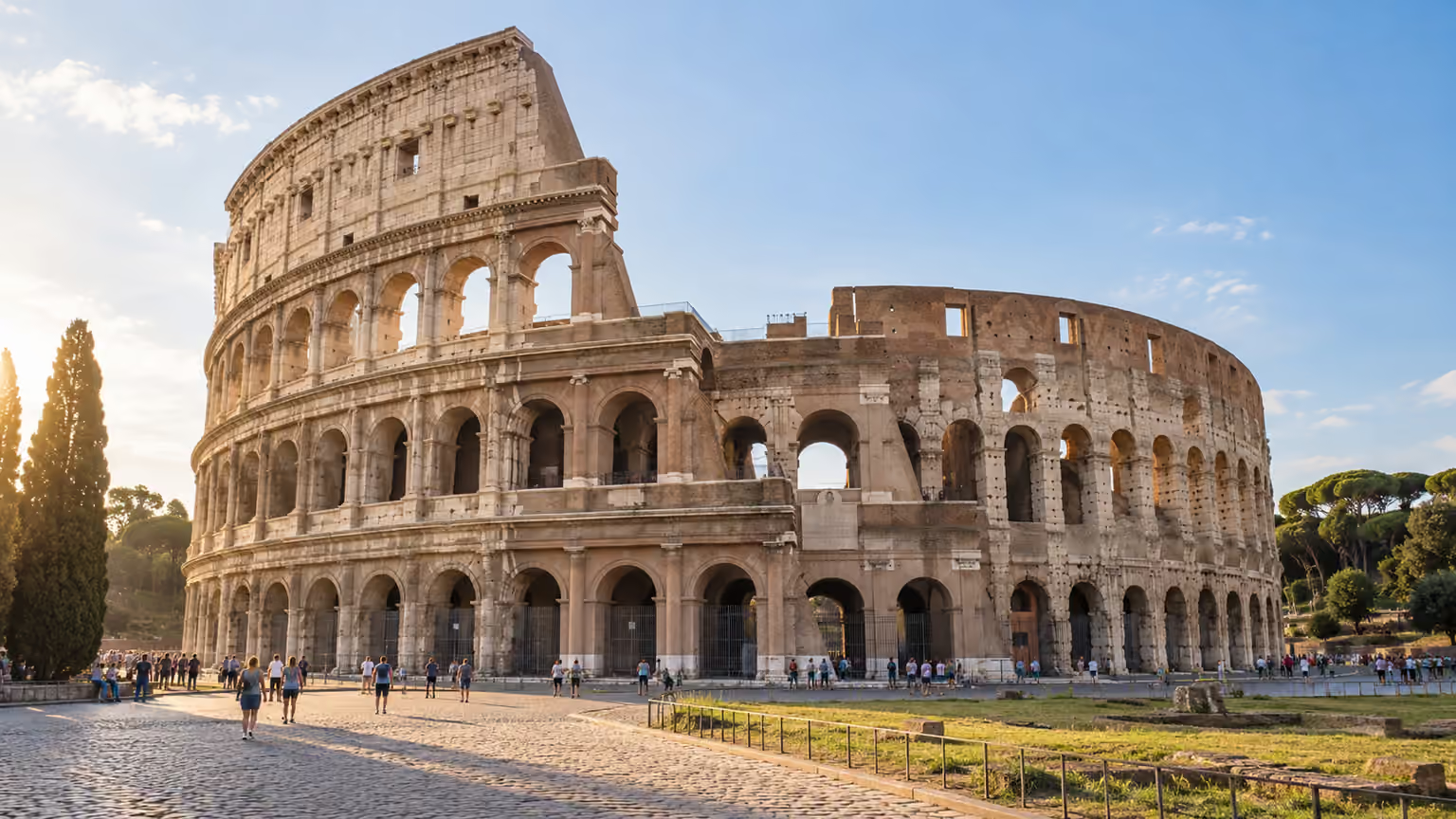
Day 1: Colosseum, Roman Forum and Monti
Anchor your first full day around the Colosseum, Roman Forum and Palatine rather than crossing the city between unrelated sights. The archaeological park's standard combined ticket includes a timed Colosseum entry and separate entry to the Forum-Palatine within its validity rules. Arena and underground access depend on the ticket type; they are not automatic extras.
Put the reserved entrance first on your working plan, then arrange the other archaeological areas around it. Leave room for food, shade and a slower pace across uneven ground. Monti is our suggested area for a later meal or a short neighborhood walk. Skip another major paid museum that evening if the archaeology already fills your day.
| Option | Recommended focus | Keep flexible |
|---|---|---|
| Day 1 | Recommended focusAncient Rome and a Monti evening | Keep flexibleExtra museums after the archaeology |
| Day 2 | Recommended focusVatican area and the Tiber | Keep flexibleAdditional paid sights |
| Day 3 | Recommended focusHistoric center and Trastevere | Keep flexibleLength of walk before departure |
Day 2: Vatican Museums and the Tiber
Devote the second day to the Vatican area if its museums are a priority. The Vatican Museums use their own booking system, separate from the Colosseum and from other city attractions. Read the visit type and current calendar before paying; a city pass or a guided listing should state precisely what it includes.
Keep the afternoon flexible for St. Peter's area or the Tiber and Castel Sant'Angelo, according to the access and tickets you choose. This is a suggested grouping, not a promise that every queue and visit fits into one morning. If art is your main interest, give the museums more time and remove the extra attraction instead of shortening each stop.
Day 3: Historic-center walk and a Trastevere evening
Use your final full day for a walking route through Piazza Navona, the Pantheon area, Trevi Fountain and the Spanish Steps. Choose the order from your accommodation and any reserved entry, rather than assuming the list is a timed schedule. Seeing a landmark from its square is different from entering a church, monument or exhibition.
Leave the evening for Trastevere if a neighborhood dinner or food tour appeals to you. Do not reserve a tour immediately after an uncertain museum exit on the opposite side of the city. For a departure day, shorten this route to one compact area and work backward from the airport journey and luggage collection.
Where to stay in Rome for this itinerary
For this route, our first search areas are the historic center, Monti and Prati. The historic center emphasizes walks between the squares; Monti emphasizes the ancient-Rome day; Prati emphasizes the Vatican day. Trastevere is another option when evening dining is central, provided you are happy with the journeys to your daytime bookings.
Compare a small set of addresses instead of choosing by neighborhood name alone. Confirm room access, lift arrangements, luggage storage, check-in time and the route from your arrival station or airport. Include any local charges shown in the final quote. A cheaper room that requires repeated transfers may save less than its nightly rate suggests.
Choose a Rome food tour or cooking class
A food tour works best as a neighborhood evening within the itinerary, while a cooking class usually needs its own block of time. Compare the meeting point, tastings or meal included, guide language and dietary arrangements. Trastevere in a product name does not tell you whether the experience remains in that neighborhood throughout.
Ask about allergies before booking and distinguish a full meal from a tasting route. For families or anyone with limited walking, check the pace and seating rather than relying on the activity category. Our activity link opens a selection to compare; it is not a claim that we have attended, tested or ranked the individual tours.
For a different city trip built around neighborhood food and a convenient hotel base, see our Bukit Bintang guide.
Book in an order that keeps the itinerary workable
First choose the hotel and the two main sightseeing reservations, then add the optional experiences around them. The Colosseum ticket page explains its exact timed-entry rules; the Vatican Museums identify their own official ticket portal. Compare a guide-inclusive package with ordinary admission as different purchases, including the same party size in each total.
Finally arrange the airport journey and protect the departure buffer. This three-day plan does not require hiring a car for the city sights. Keep confirmation details available offline, and allow changes for weather or a tired group. A city pass is worth considering only when its named inclusions and reservation rules match visits you already intend to make.
- Reserve the two main visits before filling every evening.
- Keep each day centered on one area.
- Compare the full party's total, including admission exclusions.
- Shorten the plan if arrival or departure uses part of a sightseeing day.
Frequently asked questions
Can I use one ticket for the Colosseum and Vatican Museums?
They have separate ticketing systems. If buying a bundle or city pass, check both named inclusions and the reservation steps for each attraction.
Do I need a car for three days in Rome?
Our central sightseeing plan does not need a rental car. Compare walking, public transport and an airport transfer before adding vehicle and parking costs.
Should a Rome food tour replace dinner?
Only if the listed food quantity and inclusions suit you. Some tours are tastings rather than a complete meal; check dietary needs and the finishing point.
Sources and editorial approach
This guide combines official visitor information with our trip-planning advice. It is not a first-hand visit or hotel review. Prices, schedules, access and booking availability can change; confirm the details for your dates before paying.
- Turismo Roma: Rome in 72 hours
Official visitor itinerary supporting geographic grouping of ancient Rome, Vatican and city neighborhoods.
- Parco archeologico del Colosseo: Colosseum, Roman Forum and Palatine ticket
Timed entry, included areas and ticket-type distinctions.
- Vatican Museums: Choose your visit
Visit choices and the museums' official ticket portal.
Source information checked . Read our editorial policy.
Explore more destinations
For another trip, browse our destination guides or compare Madeira planning options.